

| Symptom | First action | Planning use |
|---|---|---|
| Damp patches along the edges of the floor | Check seams and edges, then re-overlap and tape them | Moisture protection depends on sealed seams and edges, so inspect these before blaming the material |
| Small holes or punctures in new sheeting | Level and compact the ground before laying; seal each hole with tape | Ground preparation reduces tears and punctures, so do it before the sheet goes down |
| Sheet too small for the tent floor | Join sheets with an overlap of at least 6 inches and seal the seam | Tarps can be joined to cover large areas, so a floor does not need one oversized sheet |
| Sheeting wearing out quickly under foot traffic | Move to a heavier or cross-laminated product | Cross-laminated polyethylene is more puncture-resistant than standard poly |
| Unsure what thickness to ask for | Use 10-15 mil polyethylene as a reference point | It is a recommended range for heavy-duty polyethylene, useful when comparing offered products |
Figures above come from installation guidance for polyethylene under concrete slabs and from emergency-use guidance for tarpaulins.
Plastic sheeting as floor in an emergency shelter works best when laid on prepared ground, overlapped and sealed at the seams. It acts as a moisture barrier, but it tears easily, so protect it from punctures and foot wear.
This guide covers the sheeting layer only: preparing the ground, laying it, choosing a specification and recognising when it has reached its limit. For the wider set of options, see emergency shelter flooring for displaced families.
Preparing the ground before laying
Ground preparation decides how long a plastic floor lasts. Installation guidance for polyethylene advises leveling and compacting the subgrade before laying the plastic to minimize the risk of tears or punctures. That guidance was written for concrete slabs, but the logic applies to a tent floor: anything hard or sharp under the film will be pressed into it by every footstep.
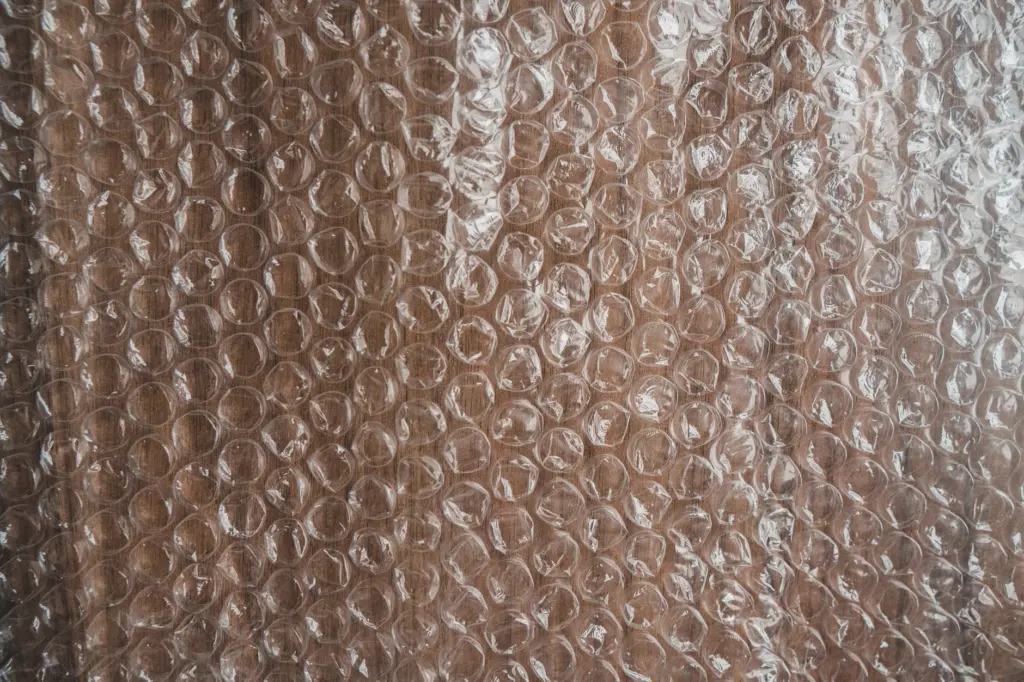
Symptom: holes appearing in sheeting that is only days old
Holes in new sheeting usually point to the surface beneath it. Lift the sheet, clear stones, sticks and other sharp debris, and flatten ridges and hollows as far as the site allows. Compacting the soil gives the plastic an even bed rather than point loads. Then lay the sheet back down and tape over each existing hole, since sealing penetrations with tape is part of the same installation guidance.
Symptom: sheeting shifts and bunches when people walk on it
Bunching usually means the surface is uneven or the sheet is loose at the edges. Smooth the sheet outward from the centre, and make sure the edges are tucked and held rather than left free. Creases collect wear, so removing them early protects the film. Edge treatment is covered in the next section.
- Clear first: remove sharp objects before the sheet is unrolled, not afterwards.
- Level next: fill hollows where water could pool beneath bedding.
- Compact last: a firm surface supports the film evenly under foot traffic.
Laying sheeting to keep moisture out
Polyethylene sheeting works as a ground moisture barrier because it prevents ground moisture from seeping upward. The same guidance stresses that seams and edges must be adequately sealed to prevent moisture penetration, which is why laying technique matters more than the sheet itself.
Overlapping and joining sheets
Overlap neighbouring sheets by at least 6 inches and seal the seams with specialized tape, as the polyethylene installation guidance recommends for rolls. Because tarps can be joined together to cover large areas, a family tent floor can be built from several sheets rather than one large one. Treat that overlap as a minimum for a taped seam, not as a reason to leave seams untaped.
- Unroll the first sheet across the cleared, compacted floor.
- Position the next sheet so it overlaps the first by at least 6 inches.
- Press out creases along the overlap, working toward the tent walls.
- Seal the whole seam with tape, then seal any hole or penetration the same way.
- Check the edges, which are the other place where moisture can find a way in.
Symptom: dampness appears at the tent edges but not in the middle
Edge dampness suggests moisture is entering where the sheet stops. Re-check that edges are sealed rather than left as loose flaps. If the shelter sits where water collects, a plastic layer alone may not be enough; flooring for shelters in flood prone areas deals with that situation in more depth.
Choosing the right sheeting specification
Thickness and construction both matter. Installation guidance recommends 10-15 mil polyethylene for heavy-duty ground-barrier use, and that range is a sensible reference when you compare products on offer. It is a recommended range from one installation context, not a relief-agency rule, so use it to screen out thin film rather than to certify a product.
Construction details worth looking for
Reinforced tarps are typically made from rip-stop polyethylene that has been double-laminated, with reinforced rope on the edges. Those features make a sheet easier to anchor and harder to extend a tear across. Cross-laminated polyethylene is described as more durable and puncture-resistant than standard poly, so it suits floors that will carry daily foot traffic.
Symptom: the available sheet is thin and translucent
Thin film is usable for a short-term ground cover, but it will not tolerate heavy traffic. If only light film is available, lay it with extra care, keep the ground very smooth and plan for replacement. If a choice exists, prefer the reinforced or cross-laminated product.
Durability and protecting the floor
Plastic sheeting on a shelter floor wears from foot traffic, folds and loads on the same spots. No lifespan figure is supported here, so avoid promising a service period to families; inspect the floor regularly and judge it by condition.
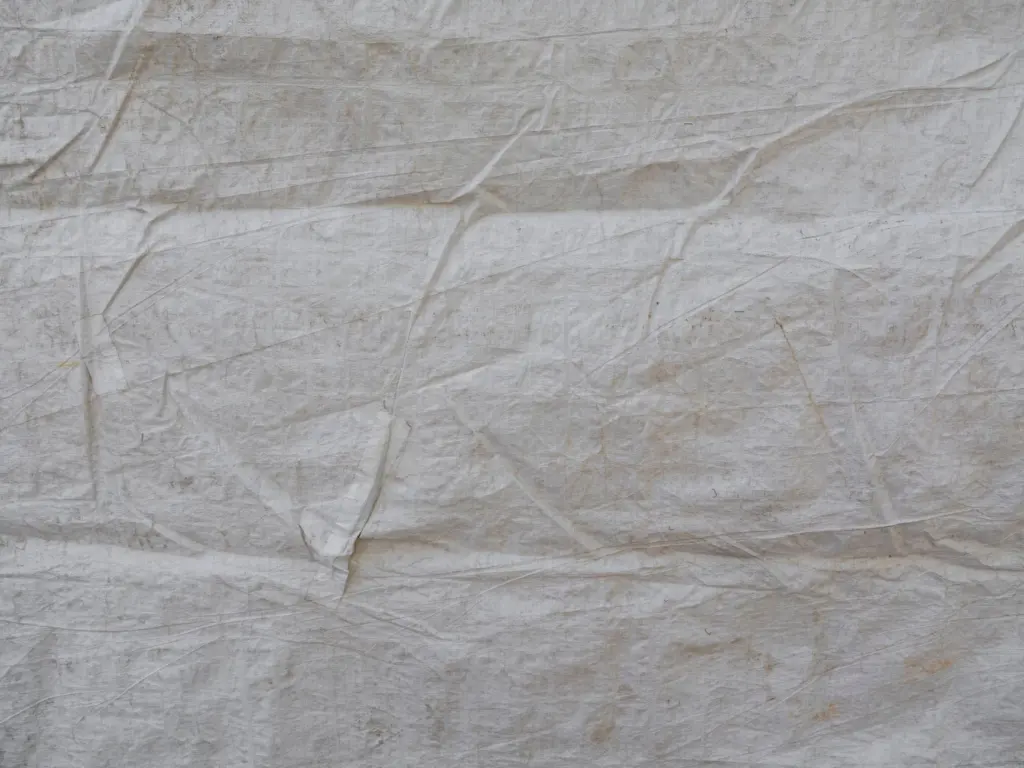
Symptom: tears spreading from a small hole
Tape small holes quickly, because open edges tend to be where further damage starts. Where a tear is large or the film has become brittle and creased, replace that section instead of patching repeatedly.
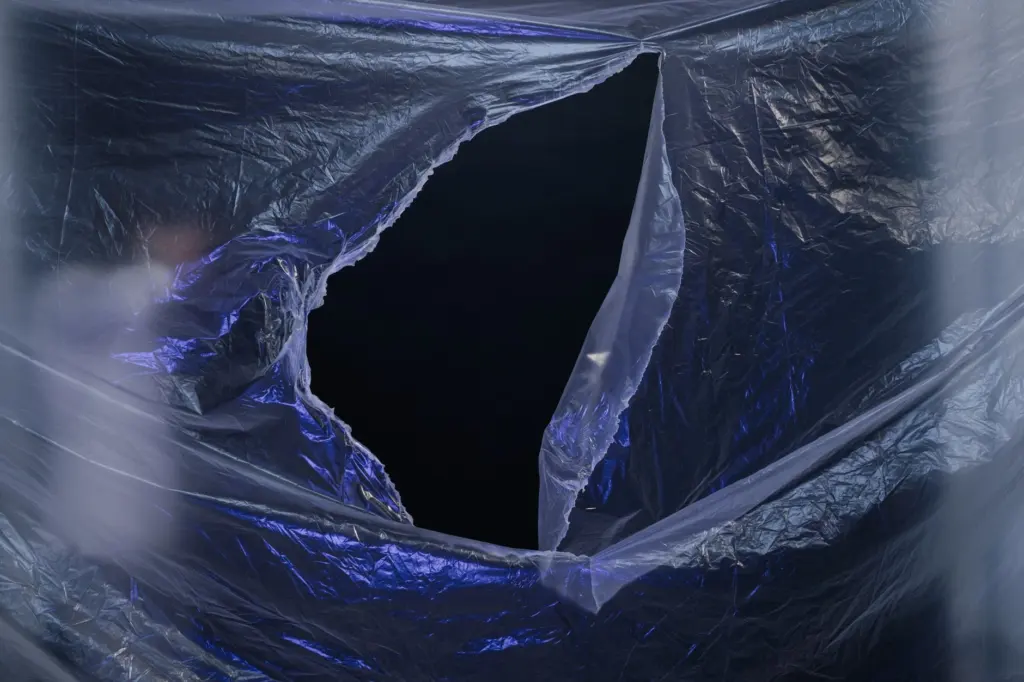
Reducing wear
Reduce direct wear by covering the sheeting with a mat, rug or similar floor covering where the family has one, so footwear and furniture do not bear directly on the plastic. Keep the sheet free of grit underneath, and avoid dragging heavy items across it. A reinforced or cross-laminated sheet will tolerate more of this, but it still benefits from protection.
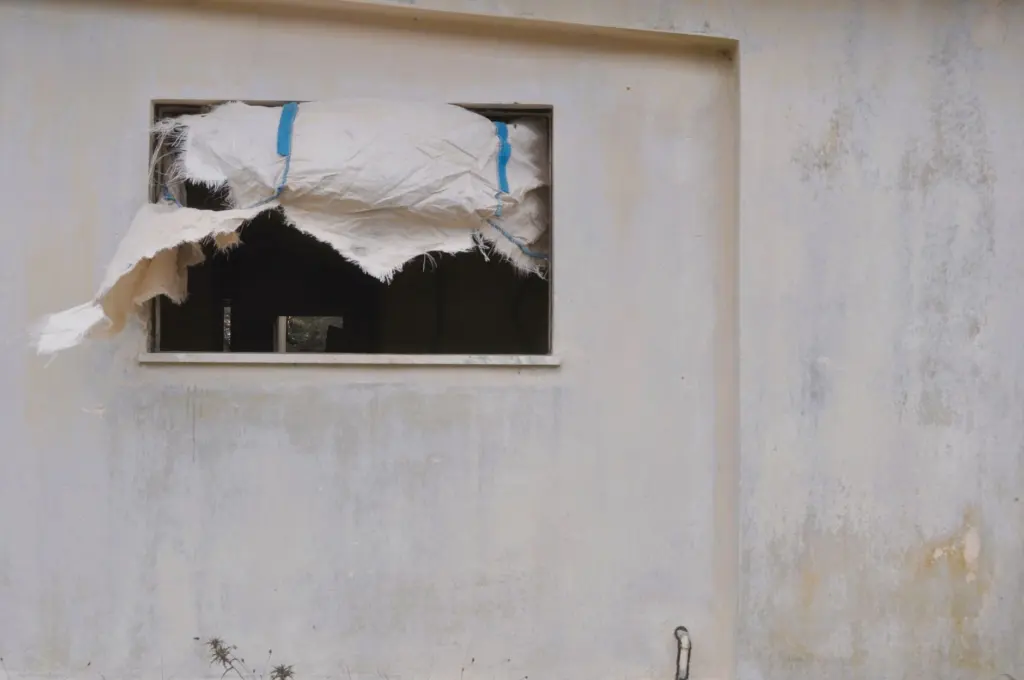
When sheeting is not enough
Replace or upgrade the floor when patches no longer hold, when seams will not stay sealed, or when damp returns despite re-taping. At that stage a rigid or raised system serves the family better than another layer of film. Interlocking floor tiles for temporary shelter are one such option, and sheeting can still be kept beneath them as a ground-moisture layer.
Sheeting remains a sound first layer because it is quick to lay, can be joined to fit any tent and works as a moisture barrier when sealed. Its limits are tears and wear, so the practical rule is to inspect often, repair promptly and replace without delay.
Frequently asked questions
| Question | Answer |
|---|---|
| Is tarpaulin the same as plastic sheeting? | The terms overlap: tarpaulin, plastic sheeting and polythene sheeting are used as names for the same kind of material. Products differ in construction, such as rip-stop polyethylene that is double-laminated with reinforced edges, so check the build rather than the name. |
| Does plastic sheeting stop damp coming up into a tent? | Yes, polyethylene acts as a moisture barrier that prevents ground moisture seeping upward. It only works as intended when seams and edges are sealed, so unsealed overlaps remain a weak point. |
| What else can tarpaulin be used for in a disaster zone? | Tarpaulins are used worldwide to build temporary shelters and to fix walls or roofs, and can serve as ground cover or an emergency shelter. A floor is one use among several, so stock and patching tape can be shared across repairs. |