
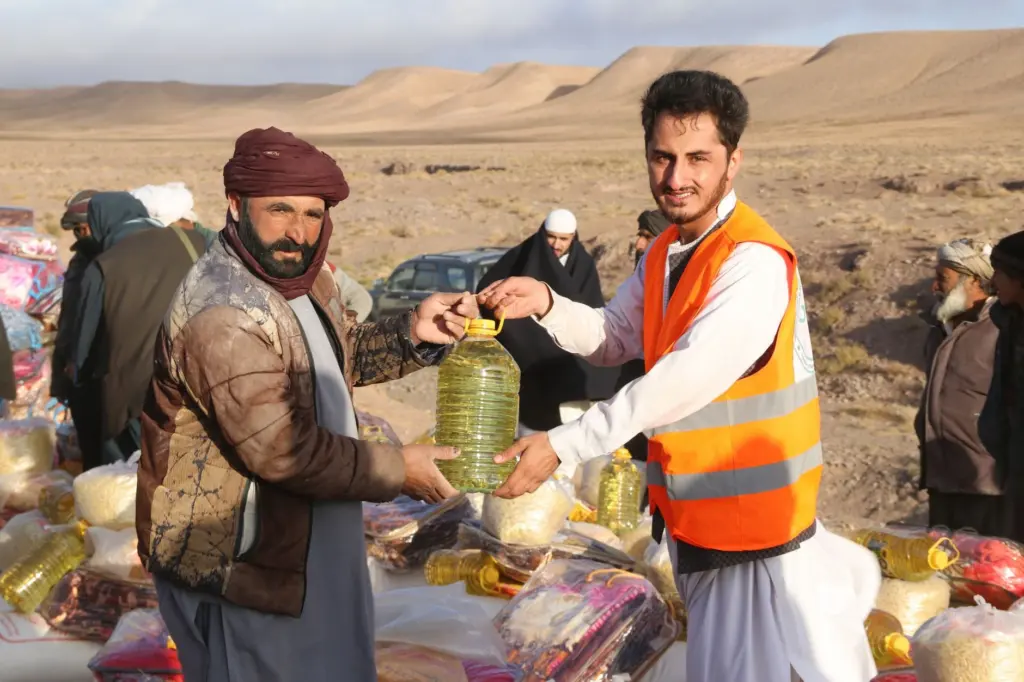
The best disaster relief charities are the ones matched to the job: Direct Relief for medical supplies, Greater Good Charities for food and stocked supplies, and the American Red Cross for shelters and volunteers.
Picture a major earthquake or hurricane in the news and an urge to give today. The right charity depends on whether the need is medical care, food and shelter, or local cash support. For the practical steps of giving safely, see our guide on how to donate to humanitarian charities.
Shortlist by role
Choosing by function works better than choosing by name recognition. Each charity below does a different job, and the later sections show where each one has documented work.

- Medical supplies and clinical support: Direct Relief, which equips doctors and nurses with medical resources.
- Food, supplies and pre-positioned stock: Greater Good Charities, which also supports food banks and animal shelters.
- Shelter, meals and volunteer capacity: the American Red Cross, which opens shelters and relies heavily on volunteers.
Direct Relief for medical needs
Direct Relief suits donors who want money to reach clinics, hospitals and health workers rather than general aid. Its own site describes the mission as equipping doctors and nurses with lifesaving medical resources. That makes it a strong fit after earthquakes, storms and fires that overwhelm local health care, and a weaker fit if your goal is food or temporary housing.

Direct Relief says it holds 4 stars and a 100% impact rating from Charity Navigator, according to its own site. The charity also gives cash to local groups. According to Charity Journal, it awarded $1 million in emergency operating grants to 22 local organizations after the Los Angeles wildfires, announced on 17 January 2025. That suits donors who want local responders to have flexible funds.
Greater Good Charities for food, supplies and stocked caches
Greater Good Charities fits donors who want practical goods delivered to people and animals. Its disaster page lists delivering food and supplies to people and pets, supporting food banks and animal shelters, shelter repair and animal transport. It reports more than $109 million in disaster relief support in total.
Its pre-positioned supply caches matter for speed. The charity says this approach lets relief arrive within days rather than weeks. The limit is scope: it is a goods-and-logistics charity, so it is not the obvious choice if you want your gift to fund hospital care.
American Red Cross for shelters and volunteers
The American Red Cross suits donors who want a broad, established responder for shelter and basic needs. Its disaster relief page says it opens shelters so people have a safe place to stay, and lists meals, supplies, health services and mental health services. It states that 95% of its disaster relief workers are volunteers, and that an average of 91 cents of every dollar it spends goes to care and comfort.
That 91-cent figure is the charity’s own statement, not an independent rating, so weigh it accordingly. If you are asking is the red cross a good charity to donate to, our dedicated guide examines its spending in more depth. For people who stay displaced long after the emergency, our guide to the best charities for homelessness covers longer-term housing help.
Best charities for earthquake relief
Earthquakes call for charities that can move medical supplies and field teams fast, so the best choices are those with documented earthquake work. The useful signal for speed is infrastructure in place before the quake. CharityWatch advises giving to charities with existing infrastructure to distribute emergency aid efficiently, rather than newcomers set up after the news breaks.
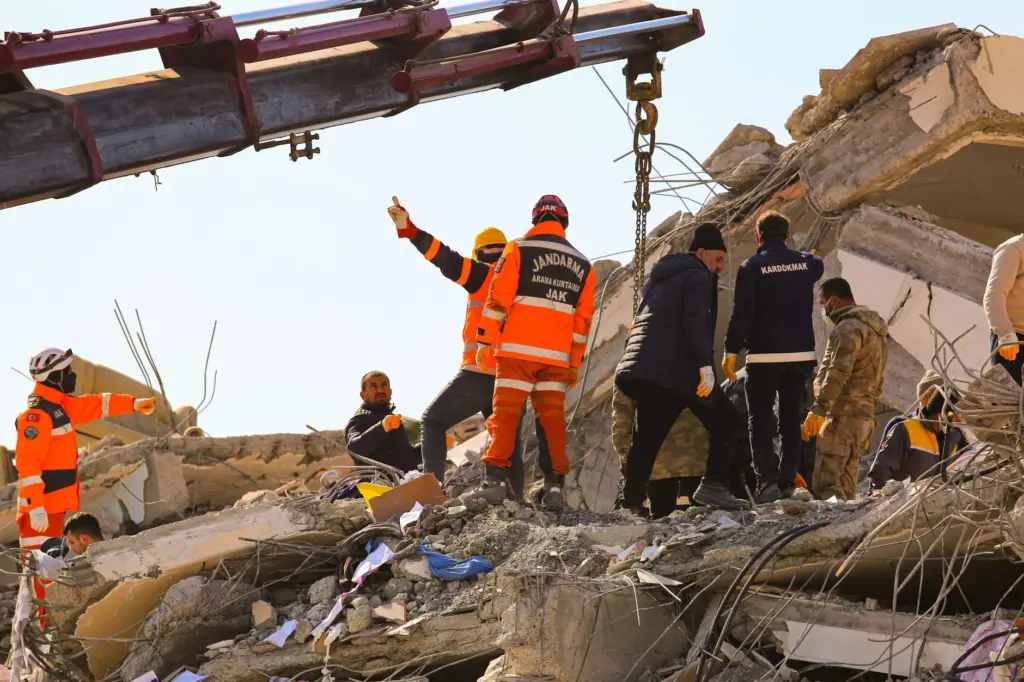
- Direct Relief: after the 7.7-magnitude Myanmar earthquake on 28 March 2025, it mobilized emergency response operations with the ASEAN Coordinating Center for Humanitarian Assistance, according to Charity Journal. The same source reports it delivered 25 pallets weighing over 6 tons of medicines for a Venezuela earthquake on 11 July 2026.
- Greater Good Charities: its Myanmar earthquake response funded the deployment of 20 emergency medical teams to the hardest-hit areas.
Both examples are medical, so they suit donors whose priority is treating the injured. Where the need is shelter and meals, the Red Cross covers that ground instead.
Best charities for hurricane relief
Hurricanes create flooding, displacement and long recovery, so the best charity depends on whether you want shelter, supplies or medical access restored first. The Red Cross shelter and meal services described above suit the immediate days. Greater Good Charities frames the scale of the problem on its disaster page, noting that Hurricane Helene was the second deadliest hurricane to hit the mainland U.S. It pairs this with food, supplies and animal-shelter support.
Direct Relief offers a documented hurricane example. According to Charity Journal, on 27 October 2025 it committed $250,000 for Hurricane Melissa and opened its medical inventory to healthcare providers. That suits donors who want to restore health care after a storm rather than fund general relief.

General disaster fund or specific appeal
A specific appeal directs your money to one event, while a general fund lets the charity deploy it wherever need is greatest. Choose a specific appeal when you care about one disaster, and a general fund when you trust the charity’s judgement. The catch is that appeals are not always ring-fenced. CharityWatch warns that a charity may use a disaster as an opportunity to raise funds for its other programs, so read how the appeal describes the use of gifts.
Policies differ. The Red Cross says all donations earmarked for disaster relief will be used to help people affected by disasters, as stated on its disaster relief page. CharityWatch also notes that charities often post fundraising goals online, so you can see how much remains before you give to a specific disaster.
What rating sites say
Rating sites help you screen charities, but they are a starting point rather than a verdict on one disaster response. Charity Navigator’s 4-star, 100% impact rating for Direct Relief, reported on the charity’s own site, is the clearest independent signal in this shortlist. Figures a charity publishes about itself, such as the Red Cross spending average, deserve a cross-check against an independent evaluator before you rely on them.
Tax treatment is a separate check. CharityWatch notes that donations to other types of non-profits, such as 501(c)4 organizations, are generally not tax-deductible. Confirm the charity’s status before expecting a deduction.
Decision checklist
- Name the need you want to fund: medical care, food and supplies, or shelter.
- Match that need to a charity above, favouring those with established disaster infrastructure.
- Decide between a specific appeal and a general fund, and read how the charity describes the use of appeal gifts.
- Check an independent rating and the charity’s tax status.
- Give from the charity’s own website rather than a link in an unsolicited message.
Frequently asked questions
Should I split my gift among many charities?
CharityWatch says it is better to direct your donations to one or two charities rather than sending smaller donations to many.
Are all disaster donations tax-deductible?
No. Gifts to 501(c)(3) charities are the usual route, while donations to organizations such as 501(c)(4) groups are generally not tax-deductible, according to CharityWatch.
How often does the Red Cross respond to emergencies?
The Red Cross says it responds to an emergency every 8 minutes, which reflects its everyday scale rather than the largest disasters alone.
Which charity helps with animals after a disaster?
Greater Good Charities lists delivering food and supplies to pets and supporting animal shelters among its disaster activities, as shown on its disaster page.