

Is the Red Cross a good charity to donate to? Generally yes for disaster and blood services, but a gift marked “Where It Is Needed Most” goes to the general fund, so choose a designation deliberately if you want a specific disaster.
Imagine you see flood coverage and want your gift to reach those families rather than a general budget line. That is where Red Cross donation choices matter most. The wider decision framework is in our guide on how to donate to humanitarian charities.
What the Red Cross reports about its spending
The American Red Cross states that, on average, 91 cents of every dollar it spends is invested in delivering care and comfort. That is the organization’s own figure, and it is an organization-wide average. It describes the overall budget, not where one particular gift lands.
The same page gives a sense of scale. Donor support helped provide more than 301,000 overnight stays in safe locations and more than 4.5 million meals and snacks in fiscal year 2023. Approximately 90 percent of American Red Cross responders are volunteers, so most of the people on the ground are not on a payroll.

Treat these as evidence of activity. They show what donations buy, but they are not a cost-per-outcome measure. Use them to confirm that money becomes shelter and food, not to rank the Red Cross against another charity.

Common assumptions, checked
Most worries about the Red Cross come from three assumptions. The table sets each against what is documented.
| Assumption | What is documented | Planning use |
|---|---|---|
| The Red Cross only handles disasters | It responds to an average of 60,000 disasters per year and describes itself as the nation’s largest supplier of blood and blood services. | A gift to a disaster fund supports the disaster work only. Blood services are a separate line of activity. |
| A gift made for a named disaster stays with that disaster | For specific-disaster gifts, donors can choose for the Red Cross to apply the money to different disasters or to return the check if that disaster is over-funded or not being raised. | Read the designation wording on the form and pick the handling option that matches your intent. |
| Criticism means the money is wasted | The documented concerns here involve how gifts are designated and how appeals refer to disasters. | Judge the concerns separately from the reported spending average, and manage the first by choosing your designation carefully. |
The first row draws on the Red Cross’s own explanation of donations. The second and third rows draw on CharityWatch’s guide to giving options.
Where a designated gift goes
CharityWatch describes four basic options when giving to the Red Cross after a disaster. Two of them matter most for deciding how much control you want.
- “Where It Is Needed Most”. This gift goes to the Red Cross’s general fund. It suits donors who are content to let the organization allocate money across responses, including disasters that never reach the headlines.
- A specific disaster. CharityWatch says this has to be done by check with a mail-in donation form. It suits donors who care about one event and are willing to add a mailing step. Confirm the current method on the Red Cross’s donation pages before you send anything.
CharityWatch also suspects that the Red Cross prefers donors not to use the specific-disaster option. That is an observer’s suspicion, not a documented finding. It is a reason to read the form closely, not proof of anything improper.
The practical lesson is simple. A general gift gives the Red Cross flexibility, and a designated gift gives you more say but adds conditions. Neither is wrong, but you should know which one you are making before you give.
Criticism and what it established
The most concrete documented step involves donation language. CharityWatch notes an October 23, 2013 agreement with New York’s Attorney General. Under it, within two days of a “yes” determination, the Red Cross stops making all references to the major disaster in its appeals.
That shows oversight bodies have scrutinized how disaster fundraising is worded. It does not amount to a finding about the share of spending that reaches people in need. The agreement concerns communication, so it bears on how you read an appeal, not on the Red Cross’s reported spending average.
Investigative reporting on the organization’s disaster fundraising is worth reading in full alongside the Red Cross’s published responses. Judge each allegation on its own evidence rather than letting a headline settle the whole question. The pattern in the documented material is that the concerns centre on disclosure and designation, which a donor can manage by choosing a gift type carefully.
Checking the numbers yourself
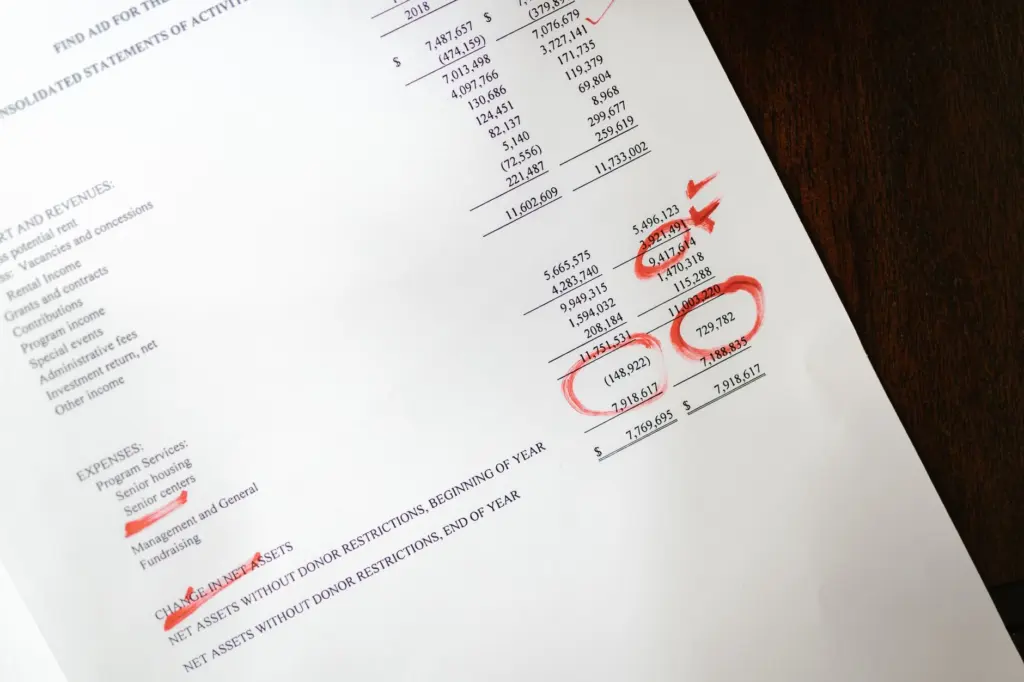
Annual reports and tax filings are where an organization’s expenses are broken into categories. Look for the split between program services, management and general costs, and fundraising, and compare it across past years instead of relying on a headline average alone.
An independent evaluator’s analysis adds an outside view to the organization’s own presentation. CharityWatch, for example, publishes commentary on how the Red Cross handles disaster gifts. Reading the filings and an outside evaluation together gives a firmer picture than either alone.
American Red Cross and the international network
The American Red Cross describes its international reach as working with global Red Cross and Red Crescent partners. The American Red Cross is the organization named on its own donation pages. If you want a gift to support overseas work, check that the page and designation options name the program you intend.
Who should give, and who should look elsewhere
- Give to the Red Cross if you want a broad disaster-response organization with a large volunteer base and a reported spending average you can check against its filings.
- Designate carefully if you want a specific disaster funded, and accept that a mail-in check and redirection options may apply.
- Compare first if you want to spread giving across organizations. Our guide to the best disaster relief charities sets the Red Cross beside other options.
- Check receipts and deductions before a large gift. The rules are covered in are charity donations tax deductible.
Frequently asked questions
| Question | Answer |
|---|---|
| Does a text or phone gift go to the disaster it names? | CharityWatch reports that phone and text gifts tied to a named major disaster will be allocated to that major disaster, as the Red Cross has done in the past. |
| Does the Red Cross report back after major disasters? | Yes. The Red Cross continues its practice of issuing public stewardship reports following major disasters, as CharityWatch notes. |
| Do people trust the Red Cross? | In a Harris Interactive poll of 2,455 adults surveyed November 7 to 13, 2007, 86 percent said they trusted the American Red Cross, placing it second. The poll is old, so treat it as background rather than a current rating. |
| Is the 91-cent figure a promise for my gift? | No. The Red Cross gives it as an average of every dollar it spends, which describes the whole organization rather than one gift. |