

| Decision point | What the IRS rule says | Planning use |
|---|---|---|
| Gift of $250 or more | You need a contemporaneous written acknowledgment from the charity, and you must obtain and keep it. | Ask for the letter when you give, not months later at filing time. |
| Cash gift of any amount | Keep a bank record or a written communication from the charity (taxable years after August 17, 2006). | Pay by card, cheque or bank transfer so a statement exists. |
| Your own notes | Donor-prepared records such as check registers or personal notations are no longer sufficient. | Never rely on a spreadsheet or diary entry alone. |
| Standard deduction or itemizing | You choose one. The standard deduction varies by filing status. Itemizing subtracts certain expenses from adjusted gross income. | Add up your itemized deductions before deciding whether the gift changes your return. |
The IRS sets the record rules in its guidance on substantiating charitable contributions, and BBB Wise Giving Alliance explains the standard deduction versus itemizing choice.
Are charity donations tax deductible? They can be, if the receiving charity qualifies, you itemize instead of taking the standard deduction, and you hold the records the IRS requires.
If you are still deciding where to give, start with our guide on how to donate to humanitarian charities. Then come back here to plan the tax side before you hand over any money.
Before you give
Tax treatment is easiest to get right before the gift, because that is when you can still choose the recipient, the payment method and the paperwork. The decisions below take only a few minutes.
Check who is receiving the gift
A gift is deductible only when the organization receiving it meets the IRS rules for charitable contributions. IRS Publication 526, Charitable Contributions, is the IRS guide to those rules, and it is the document to read when a recipient is unfamiliar or unusual. A well-known name or a moving appeal does not settle the question. A sensible habit is to confirm the organization’s status first and make the gift second.
Humanitarian and overseas relief gifts
Disaster appeals and overseas relief work attract a lot of giving, and donors often assume the tax result follows the cause. It does not follow automatically. What matters is the status of the organization you give to and whether you can document the gift. If you plan to give to work abroad, confirm in Publication 526 how your particular gift is treated before you commit a large amount.
Two examples show how this plays out. Readers weighing a large, established relief organization can look at is the red cross a good charity to donate to for how its giving record compares. Those focused on a single crisis can read about the best charities for ukraine relief. Neither choice removes the need to keep your own proof of the gift.
Gifts of goods rather than money
Relief warehouses collect clothing, water and supplies as well as cash, and it is tempting to treat a box of goods as simply a cheaper way to give. Goods are a different kind of gift from money. The bank-record rule in the table above is about cash gifts, so check Publication 526 for how non-cash gifts are documented before you hand over a load of supplies.

At the time of the gift
The record rules turn on timing. The IRS wants a written acknowledgment that is contemporaneous, so the best moment to arrange your proof is when you give.
- Pay in a traceable way. For a cash gift of any amount, the IRS requires a bank record or a written communication from the charity. A card or bank-account payment creates a statement entry without any extra effort.
- Request the acknowledgment. For a gift of $250 or more you need a written acknowledgment from the charity. The donor is responsible for requesting and obtaining it, so do not assume it will arrive unprompted.
- Store the paperwork with your tax papers. Keep the acknowledgment and the matching payment record together, because you must keep them as well as obtain them.
- Do not substitute your own notes. Written records prepared by the donor, such as check registers or personal notations, are no longer sufficient on their own.
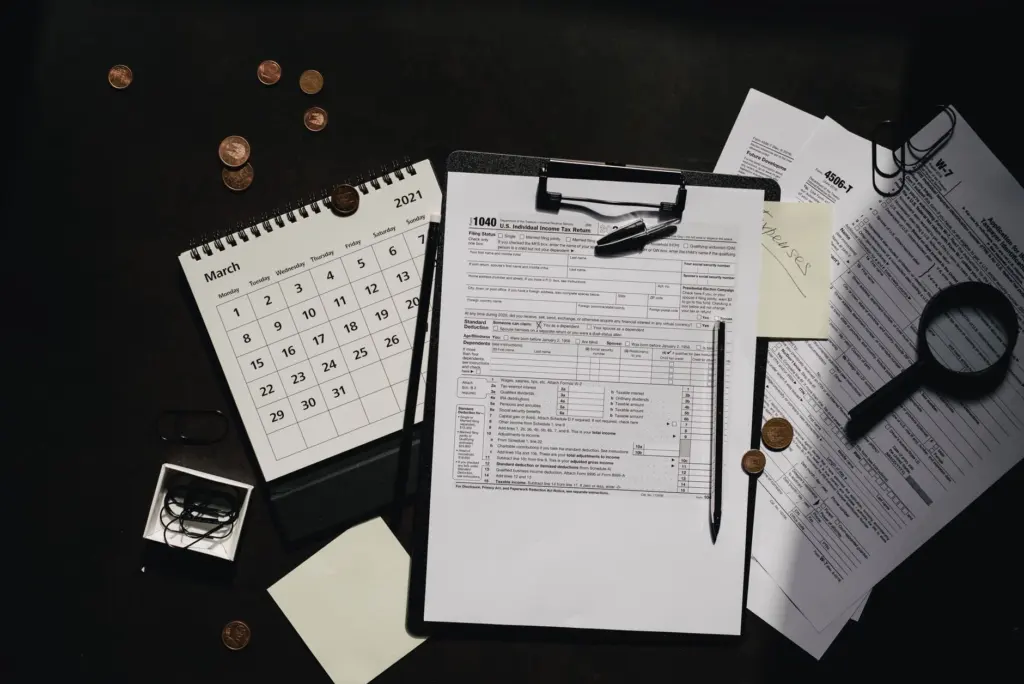
A single approach covers a donor who gives in many small amounts and one who makes a large gift: pay traceably, ask for the acknowledgment, and file both together. Monthly donors in particular should check that their statements show each payment, since a bank record can support a gift of any amount.
When you file: standard deduction or itemizing
Filers must first decide between taking the standard deduction, which varies by filing status, or itemizing their deductions, according to BBB Wise Giving Alliance. This choice is the practical test for whether your donation changes your tax bill. Itemizing allows you to subtract certain expenses from your adjusted gross income, so a charitable gift only helps when it is part of an itemized total that you actually claim.
How to make the choice
- Look up your standard deduction. The amount depends on your filing status and changes over time, so use the current figure from the IRS rather than a number remembered from an earlier year.
- Total your itemized deductions. Charitable gifts are only one item. Add them to your other itemizable expenses and compare the total with the standard deduction for your filing status.
- Itemize only if the total is larger. If your itemized total is smaller, the standard deduction gives you the better outcome and your gift will not reduce your tax on its own.
A donor who gives generously in one year but has few other itemizable expenses should work through this comparison before assuming the gift will pay off at tax time. The decision belongs to the filing stage, so you can make your gifts for the cause itself and settle the tax question later with all your figures in hand.

Troubleshooting common problems
The charity never sent an acknowledgment
For a gift of $250 or more, the responsibility sits with you. Contact the charity and request the written acknowledgment. Do this before you file, because the IRS expects it to be contemporaneous with the gift and you need it in hand when you claim the deduction.

You only have a bank statement
For a cash gift under the $250 level, a bank record or a written communication from the charity is enough support. For a gift of $250 or more, the statement alone does not replace the written acknowledgment.
You only have your own notes
Personal notations and check registers no longer count as sufficient records. If notes are all you have, ask the charity for a written communication, or find the matching bank record.
You are unsure whether the recipient qualifies
Read the charitable contribution rules in IRS Publication 526 and confirm the organization’s standing before you claim anything. If the status is unclear, treat the gift as a donation made for the cause rather than as a deduction you can count on.
Frequently asked questions
Do I have to itemize to get a tax benefit from my donation?
The benefit comes through itemizing, which subtracts certain expenses from your adjusted gross income. If you take the standard deduction instead, your donation does not add to it.
Who is responsible for getting the written acknowledgment?
The donor. The IRS says the donor must request and obtain the acknowledgment from the charity.
Is a note in my own check register enough proof?
No. Records prepared by the donor are no longer sufficient. Use a bank record or a written communication from the charity.
Where can I read the full IRS rules?
IRS Publication 526, Charitable Contributions, is the IRS guide to these rules, and the IRS page on substantiating contributions explains the record requirements.