
| Option | What it is | Stay or form | Planning use |
|---|---|---|---|
| Emergency shelter | Nightly or short-term help for families or individuals experiencing homelessness | Shelter for a short period of time, with case management in Pennsylvania’s Emergency Shelter component | Use it to get safe and stable today, then ask staff about the next step |
| Transitional housing | Temporary housing that helps people move from homelessness to more permanent housing | Pennsylvania’s Bridge Housing: a shared facility or apartment for up to 18 months | Aim for it when you need time and support to line up permanent housing |
| Rental assistance | Payments for rent, mortgage, security deposits and utilities through a county provider | Income must be between 100 percent and 200 percent of the HHS Poverty Guidelines in Pennsylvania’s program | Consider it when you can pay ongoing rent but not the move-in or catch-up costs |
| Subsidized affordable housing | Long-term housing programs that use subsidies to help pay rent | Long term | Plan for it as the lasting destination, and apply early because it is not an immediate fix |
The definitions above come from Pinellas County’s housing and shelter resources, and the stay lengths and payment details come from Pennsylvania’s Department of Human Services homeless assistance page.
The realistic emergency housing options after losing your home form a ladder: emergency shelter first, then transitional housing, then rental help or a subsidy that leads to permanent housing. Start with a local shelter or helpline and ask staff about the next rung.
If you already know you need a bridge rather than just a bed, what is transitional housing explains how that program model works. The sections below follow the ladder in order and point to separate guides for particular situations.
Reading the housing ladder
Emergency shelter and transitional housing do different jobs. Pinellas County describes emergency shelters as nightly or short-term help for families or individuals experiencing homelessness, and transitional housing as temporary housing that helps people transition from homelessness to more permanent housing. Emergency shelter answers the question of where you sleep now. Transitional housing answers where you stay while you rebuild enough stability to move on.
Emergency shelter
Pennsylvania’s Department of Human Services says its Emergency Shelter component provides shelter for a short period of time, together with case management. That pairing matters. A shelter bed is meant to be a starting point, and the staff attached to it are often the quickest route to the next program.
The Salvation Army’s Greater Cleveland branch, in its housing program description, says every emergency shelter bed also comes with a nutritious meal and a clean shower. It reports that 186 unique families stayed on average 40 days at its Zelma George Emergency Family Shelter. Treat that as one facility’s experience over a single reporting period, not a promise of how long any shelter will hold a place for you. It does show that a family shelter stay can be measured in weeks, so begin looking at the next step as soon as you are settled.

The same page says the Salvation Army provides over 10 million nights of shelter each year. The scale is a useful reminder that faith-based and charitable shelters are a major part of the emergency system, alongside public programs.
Transitional housing
Pennsylvania describes its Bridge Housing program as a stay in a shared facility or apartment for up to 18 months, and says this is usually the next step up from an emergency shelter. That sentence from the state’s homeless assistance page gives the clearest picture of the order in which these programs usually fit together. Note the words “up to”: 18 months is a ceiling set by that program, not a length of stay you should expect or plan around.
Transitional housing suits people who have left shelter but cannot yet carry the cost or the paperwork of an ordinary lease, and who benefit from a structured setting while they stabilise. It suits people with a plan for the next move less well if a faster route, such as rental assistance, is available and they already have income.
Why program names differ
Pinellas County cautions that organizations and agencies may define their housing and shelter programs differently. A program called “transitional” in one county may look like a short shelter stay in another. Rather than relying on the label, ask any program you contact these questions:
- What does a stay include? Ask whether it means a bed, a private room or an apartment, and whether meals and case management come with it.
- How long can I stay? Ask for the maximum length and what happens at the end.
- Who qualifies? Some programs serve specific groups, so ask about income, household type and other conditions up front.
- What is the next step? A good program can tell you where people usually go afterwards.
Finding a bed tonight
The fastest way to find emergency housing after losing your home is to contact the local referral line or shelter network and say plainly that you have nowhere to stay. The details differ by area, so use the number that serves your location.
CHIP, an Indiana homelessness agency, advises people who are staying outside or in a car to call 2-1-1 for emergency shelter. It adds that once you are safely in shelter, shelter staff can also talk to you about housing options. The order is worth copying wherever you live: secure a safe place first, then use the staff there to plan the next step. If you are working through a coordinated access point rather than going straight to a shelter, the same page says to call back if you do not hear from anyone within 2-3 business days. That follow-up is a sensible habit with any intake process, because a single unreturned message should not end your search.
The Salvation Army also directs people to local branches. Its Greater Cleveland page says to contact your local Salvation Army to find out what transitional housing options are available where you are. Since programs differ by area, a local call tells you more than a general description can.
Situations that change where you start
Some households should not begin with a general shelter line. These guides cover the groups with their own entry routes:
- Safety from an abuser. If you are leaving a violent home, read how to get into a domestic violence shelter before you call a general line, because the process and priorities differ.
- Young people. Teenagers and young adults on their own have separate services, covered under emergency shelter for homeless youth, and those leaving the care system can look at housing for youth aging out of foster care.
- Veterans. Former service members have dedicated programs, outlined in emergency housing for veterans.
- Older adults. Mobility, health and fixed incomes shape the options, as discussed in emergency housing for seniors.
- Pregnancy. Expectant mothers can find specific routes in emergency housing for pregnant women.
- Animals. If you will not leave a pet behind, look at homeless shelters that accept pets before choosing a shelter.
When you need short-term refuge from dangerous weather rather than a bed for the long run, warming centers near me covers temporary daytime and overnight spaces. If a shelter is full, how to get a motel voucher explains the hotel and motel route as a stopgap.
Working with shelter staff and case managers
A shelter bed works best when you treat the staff as a planning resource. Pennsylvania’s program pairs shelter with case management, and CHIP notes that shelter staff can discuss housing options. Tell them what you need, what documents you still have and what income you expect, so they can match you to the right program rather than the first one with space.

Temporary housing types between shelter and a lease
Between a night in shelter and a lease sits a range of temporary arrangements, and the structure matters less than the rules attached to it. A communal shelter, a shared transitional house, a motel room and a small-unit site can all serve the same purpose if they come with a clear route to permanent housing.
Communities increasingly add small, self-contained units to their emergency capacity. If you are weighing that kind of setting, tiny home villages for homeless explains how pallet shelters and similar sites are run. Ask any such site the same questions as any shelter: how long you can stay, what support is on hand and what the exit plan is.
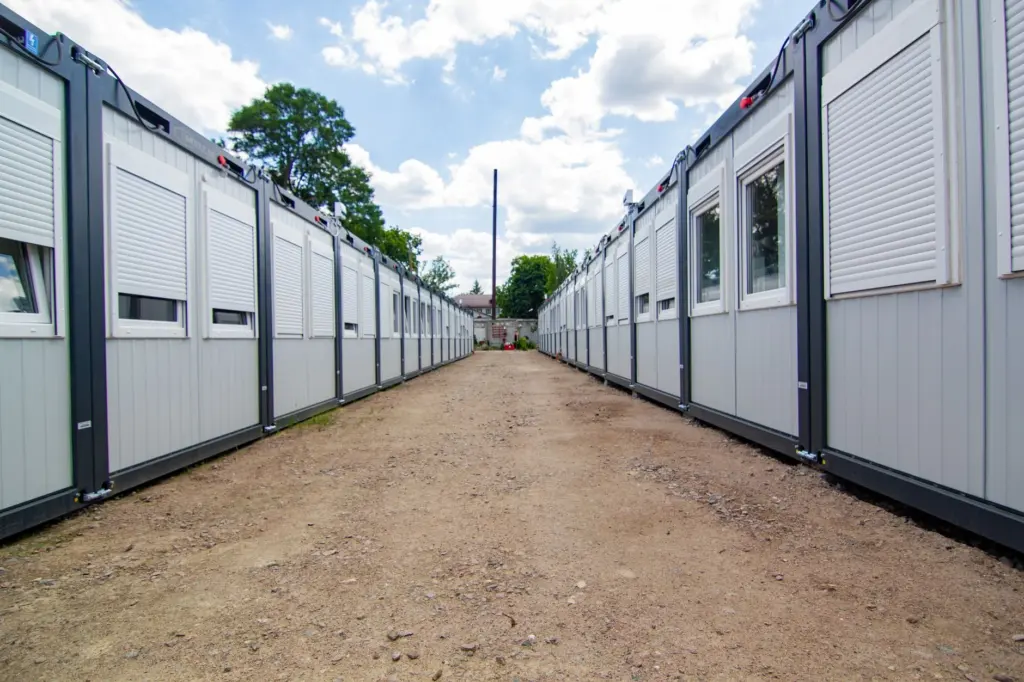
Choose a private or semi-private unit over a congregate setting when your household needs it, but weigh that against availability. A bed you can get today is usually worth more than a better setting with a waitlist, as long as the staff there can help you apply for the better one.
How long transitional housing lasts
Transitional housing stays are capped by each program, and the caps in the verified programs here run from about six months to up to 18 months. Pennsylvania’s Bridge Housing allows a stay in a shared facility or apartment for up to 18 months, according to the Department of Human Services.

The Salvation Army’s Greater Cleveland branch offers a shorter option: temporary housing and support services for up to six months to low-income, single men and women, as stated on its housing page. This one also shows that eligibility can be narrow. A program may serve single adults and not families, or the reverse, so ask before assuming it fits.
Use these figures as ceilings, not predictions. The right way to plan is to ask each program for its maximum stay, then work backwards from it. If a program gives you the full term, use that time to save, apply for assistance and look for a lease rather than waiting for the end. People with a criminal record often face additional questions at intake, and transitional housing for felons covers how to approach those programs.
Housing help after a disaster
After a disaster, the same ladder applies, and the first move is still a safe place to sleep. HUD, the U.S. Department of Housing and Urban Development, has many programs to assist people experiencing homelessness, and the Pennsylvania homeless assistance page points residents to HUD for help finding local information.
Disaster-specific assistance can differ from ordinary homelessness programs, so when you reach a shelter or help line, say that your housing was lost in a disaster and ask what assistance applies in your area. Staff who know the local response can tell you whether extra programs exist and where to apply. Keep this separate from the day-to-day programs described here, because they can run side by side.

If your home is damaged rather than destroyed, you may be weighing repair against relocation. A temporary place to stay gives you time to decide, so use transitional housing or a shelter placement to buy that time rather than rushing a decision while you have nowhere to sleep. For short-term needs during dangerous weather that often follows a disaster, warming centers near me and similar refuges can help.
Rental assistance and rapid rehousing
Rental assistance is the route to choose when you can sustain a lease but cannot cover the move-in or catch-up costs. Pennsylvania’s Homeless Assistance Program offers payments for rent, mortgage, security deposits and utilities through a county provider, according to the state’s page.
Eligibility in that program depends on income: household income must be between 100 percent and 200 percent of the HHS Poverty Guidelines. The state also says the focus of case management is to give you the tools and skills to prevent future homelessness. That is a useful way to judge any assistance offer. Money that covers a deposit solves the immediate problem, and the case management attached to it is what keeps the housing from slipping away again.
For the national model behind this kind of short-term help, what is rapid rehousing sets out who qualifies and how a program moves a household straight into a lease. If your main problem is falling behind on rent, emergency rental assistance programs explains how to look for help before an eviction.
Vouchers and long-term subsidies
Vouchers and subsidized housing are the long-term end of the ladder. Pinellas County defines subsidized affordable housing programs as long-term housing programs that use subsidies to help pay rent. The housing choice voucher belongs in this category: it helps pay rent rather than providing a bed or a short stay.
Because these programs are long term, treat them as a destination to apply for while you use shelter or transitional housing for the interim. Ask the housing authority serving your area, and the case manager helping you, whether applications are open and how to be considered.
Emergency Housing Vouchers
HUD also created Emergency Housing Vouchers, known as EHVs, and the Austin ECHO page on the EHV program shows how a local area used them. It says EHVs could be deployed by public housing authorities as soon as July 1, 2021, and points readers to HUD PIH Notice 2021-15 for allowable uses.
| Housing authority | EHV vouchers allocated |
|---|---|
| Housing Authority of the City of Austin (HACA) | 242 |
| HATC | 34 |
| Total households the community can serve | 276 |
The allocations are as reported by Austin ECHO, a local homelessness coordinating body.
The takeaway is practical: voucher supply is allocated by local housing authority and is limited. A community of that size could serve 276 households, so you should not expect a voucher to be available to everyone who qualifies. Referral through a local homelessness system is typically how such vouchers are reached, so ask your case manager whether any are available where you live.
Permanent supportive housing
People who need ongoing services alongside a lease, for example because of a long-term health condition or disability, may be better served by supportive housing than by a voucher alone. what is permanent supportive housing explains who it serves and how it differs from other subsidized options.
Applying and following through
Applying well matters as much as choosing the right program. Work through the steps in this order:
- Secure a safe place first. Use a shelter or referral line so that the rest of your search happens from stable ground.
- Tell staff your whole situation. Share household size, income, any disaster loss and any special needs so they can point you to matching programs.
- Apply for more than one option. Pair a short-term program, such as transitional housing, with a long-term application, such as a subsidy.
- Ask about each program’s limits. Get the maximum stay, the eligibility rules and the exit plan in writing where you can.
- Follow up. If you are waiting on an access point, call back when the stated window passes, which in the Indiana example was 2-3 business days.
Keep a simple record of who you called, when and what they said. Housing systems often involve several agencies, and a note of each contact saves time when you have to explain your situation again.
Choosing where to start
Match your first move to your most urgent need:
- No place to sleep tonight. Call your local referral line or shelter and ask for emergency shelter, then use staff to plan the next step.
- Safe for now but facing a gap. Ask about transitional housing if you need time and support, or rental assistance if you can sustain a lease with help on move-in costs.
- Behind on rent. Look at emergency rental assistance programs before the situation becomes a loss of housing.
- Long-term affordability is the problem. Apply for subsidized housing or a voucher through your local housing authority, while using a short-term program as the bridge.
- A particular group. Use the guides for veterans, seniors, young people, pregnant women or people with pets, since their routes differ.
Frequently asked questions
How do I find emergency housing after losing my home?
Contact a local shelter, the Salvation Army or a referral line such as 2-1-1 where it is available, and say you have nowhere to stay. Once you are in shelter, ask staff to talk through longer-term options.
What is the difference between emergency shelter and transitional housing?
Emergency shelter is nightly or short-term help, while transitional housing is temporary housing designed to lead to more permanent housing. In Pennsylvania’s system, Bridge Housing is usually the step after shelter.
What housing help is available after a disaster?
The usual ladder of shelter, transitional housing, rental assistance and subsidies still applies. HUD runs many programs for people experiencing homelessness, and shelter staff can tell you which disaster-related help applies locally.
How long can someone stay in transitional housing?
It depends on the program. Pennsylvania’s Bridge Housing allows up to 18 months, and the Salvation Army’s Greater Cleveland program offers up to six months to low-income single men and women. Ask each program for its own maximum.