
| Floor problem | What the evidence says | Planning use |
|---|---|---|
| Cold from the ground | Carpet tiles are credited with thermal insulation in classrooms. | Treat an insulating top layer as part of the floor, not an extra. Put it first where people sleep. |
| Moisture held under a covering | Trapped moisture can cause warping or discoloration in newly installed floors. | Drain and prepare the ground before laying anything over it. |
| Dirt and spills | Commercial vinyl tiles resist water and stains where spills are likely. | Choose a surface that can be wiped, because bare earth cannot be cleaned that way. |
| Slips and trips | Standard plastic sheets can be slippery and create tripping hazards. Polished concrete is slip-resistant when finished correctly. | Check how a surface behaves when wet and underfoot before relying on it. |
These effects come from a flooring supplier’s guidance on educational facilities and a floor-protection guide. Both describe permanent buildings, so they inform shelter planning but do not replace shelter-sector standards.
This explains why flooring is important in emergency shelters: a floor puts a managed surface between people and bare ground, where cold, wet, dirt and uneven footing meet.
The detail below supports the wider guide to emergency shelter flooring for displaced families. It covers the reasons a floor matters, not how to compare materials or build one.
Cold ground and people who sleep in tents
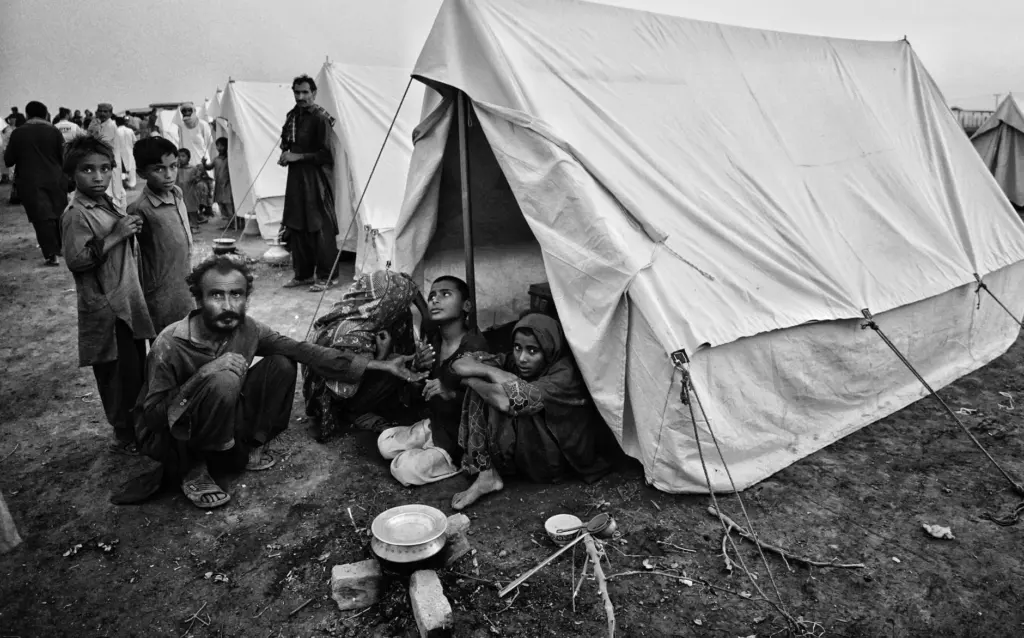
Sleeping directly on bare ground is the situation a floor is meant to change. A tent wall and roof deal with wind and rain, but the surface under a sleeping family is often left as it was found. A floor layer is the part of the shelter that sits between a body and the earth.
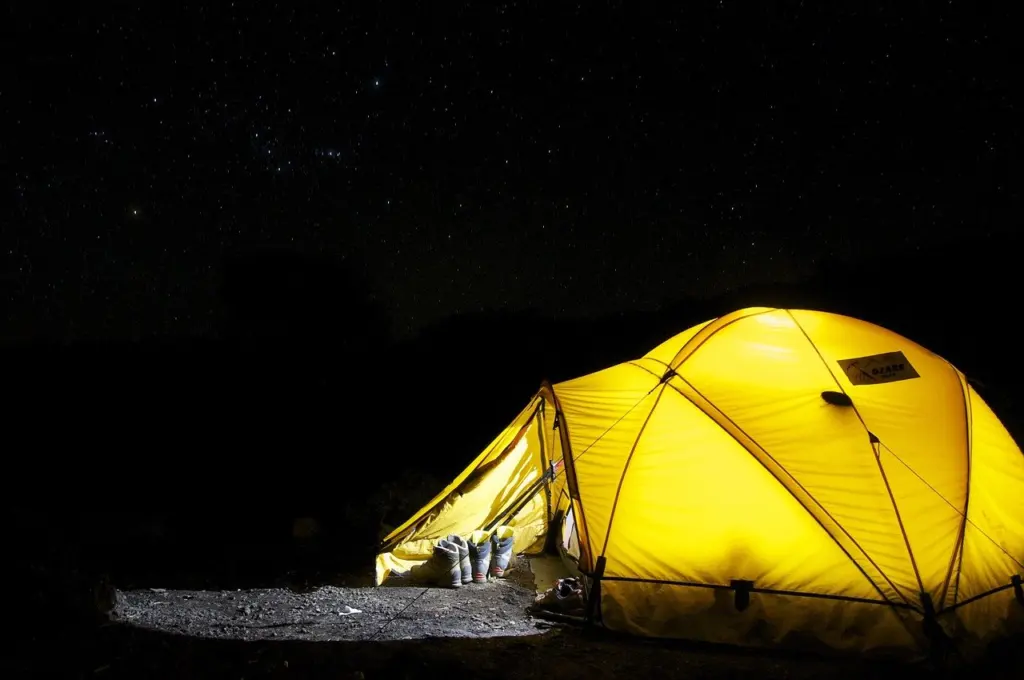
The supplier guidance on educational buildings names thermal insulation as a primary benefit of carpet tiles. A classroom is not a tent, and the source says nothing about refugee shelter. The transferable point is that the surface layer itself can insulate. A thin barrier that only keeps dirt off may not do that job.
The people who most need this attention are those who spend long periods low to the ground. Infants, older people and anyone unwell or recovering from injury are usually on the floor for much of the day. Shelter planners are therefore right to think of the floor as part of the sleeping system and not as a finish.
- Start with the sleeping area. If supplies are limited, cover the place where people lie down before the rest of the interior.
- Prefer a layer that insulates. A surface that only separates dirt from skin may not address cold from the ground.
- Match the effort to the setting. Local shelter guidance, including the Sphere Handbook and agency technical documents, should set thermal targets for the climate and season involved.
Wet, muddy and uneven ground
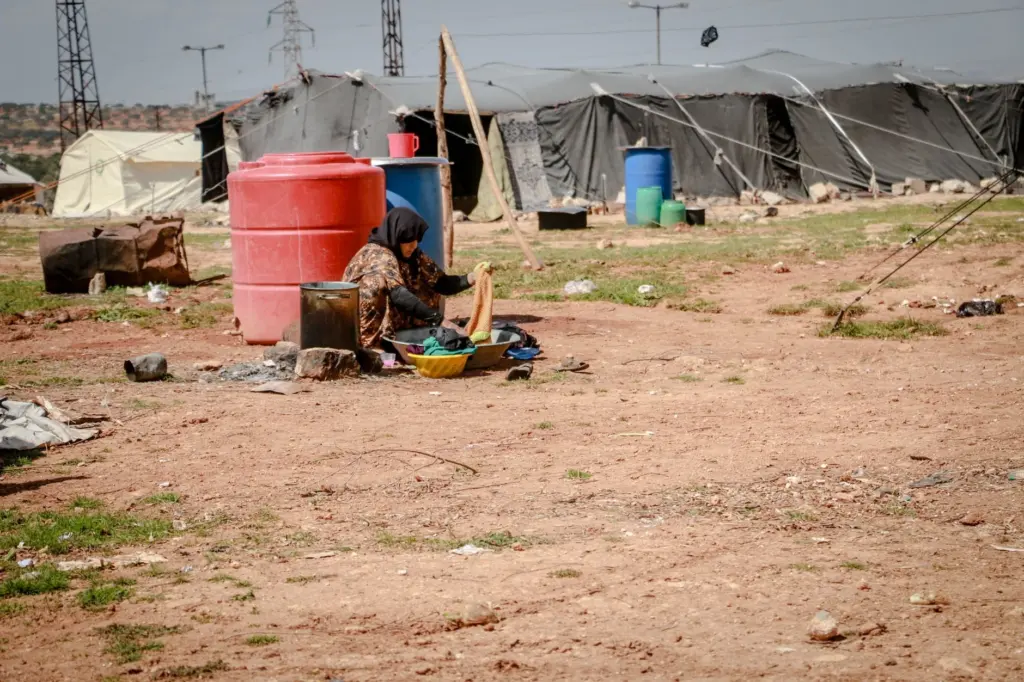
Rain turns unprepared ground into mud, and the entrance of a tent is where it is tracked inside. Wet ground at the threshold carries water and dirt into the sleeping space. It also makes footing unreliable for children and for anyone carrying water, bedding or food.
Moisture also behaves differently once something covers it. The floor-protection guide notes that trapped moisture can cause warping or discoloration in newly installed floors. That example concerns wood and stone, not tents. The principle still carries over: a covering laid over damp ground can hold the damp in place.
In practice, sheeting or a mat laid on wet earth is not a finished solution. Clearing, levelling and draining the ground first gives any floor material a better start. It also reduces the number of low spots where water collects.
Uneven ground as a hazard
Stones, ruts and slopes under a floor layer remain a problem. They create trip points, and they leave the surface uncomfortable to sleep on. A cleared and levelled site is cheap to achieve compared with fixing injuries or replacing a damaged covering later.
Hygiene and disease risk in a camp
A floor changes hygiene because it decides whether the living surface can be cleaned at all. Bare earth absorbs spills, holds dirt and cannot be wiped. A hard or sealed surface can be swept or wiped, and that gives households a practical way to keep food, water and sleeping areas apart from dirt.
The supplier guidance describes commercial vinyl tiles as resistant to water and stains, which makes them suited to areas where spills are likely. That statement is about classrooms, but it shows the property that matters here: a surface that does not soak up liquid is far easier to keep clean. For disease risk, the sensible reading is that a cleanable floor makes good hygiene achievable. It does not guarantee it. Health agencies’ own camp guidance should set the standards for water, sanitation and waste.
Cleaning only works if it is routine and if the surface allows it. Guidance on how to keep shelter floors clean follows from the choices made when the floor is first laid.
- Keep dirt out at the door. A defined entrance zone limits how much outdoor mud reaches the sleeping area.
- Separate water and waste from sleeping space. Containers and rubbish should not sit on the surface where people lie down.
- Favour surfaces that do not absorb. Water-resistant, wipeable layers suit shared and crowded spaces better than porous ones.
Slips, trips and the plastic sheeting question
Plastic sheeting is a common first response because it is light and easy to distribute. The floor-protection guide warns that standard plastic sheets can be slippery and create tripping hazards. That matters most in a shelter, where children run in and out and floors get wet.
The point is not that sheeting is unsafe in every case. It is that sheeting laid loose on uneven ground, or left bare and wet, adds a hazard of its own. Good practice is to level the base first, keep sheeting flat, and cover it with a mat or other layer where people walk and sleep.
Permanent floors have their own condition. The supplier guidance says polished concrete is inherently slip-resistant when finished correctly. The phrase to remember is “when finished correctly”: a hard floor is only as safe as its finish. A comparison of emergency shelter flooring options weighs these trade-offs side by side.
Camp-scale consequences
A single tent floor affects one household, but a camp is made of many households sharing paths, water points and drainage. When tents sit directly on the ground, every household inherits the condition of that ground. Mud and standing water then link one shelter to the next.
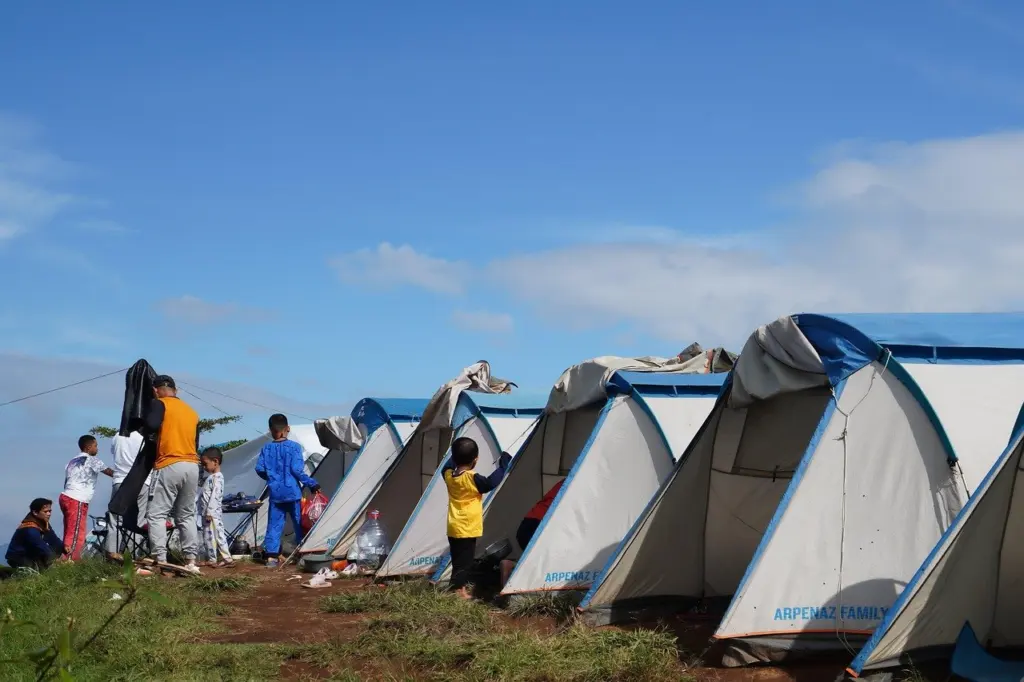
That is why floor planning sits alongside site selection and drainage, not after them. Individual floors help most when the ground around the tents is also kept clear and drained. A good floor in a shelter surrounded by mud still gets dirty every time someone steps outside.
Putting the reasons to work
The four problems above overlap, so it helps to decide in a sensible order. The advice below turns them into planning choices without ranking materials.
- Prepare the ground first. Clear, level and drain before covering, so the floor is not hiding damp or trip points.
- Protect sleeping areas before anything else. Cold from the ground and cleanliness both matter most where people lie down.
- Test for slipperiness when wet. A smooth surface that looks tidy can still be a hazard once it is damp.
- Plan for cleaning from the start. A floor that cannot be wiped or swept will not stay hygienic however well it is laid.
- Follow local shelter guidance for targets. Climate, season and the length of stay change what a floor needs to achieve.
Frequently asked questions
Is plastic sheeting enough as a shelter floor?
Standard plastic sheets can be slippery and create tripping hazards, so sheeting on its own is a starting layer rather than a finished floor. Laying it flat on levelled ground and covering walking and sleeping areas improves it.
Does a shelter floor need to be waterproof?
A water-resistant top surface is easier to keep clean, as vinyl tiles show in spill-prone areas. Moisture held beneath a covering can also cause damage, so draining the ground matters as much as the surface material.
Do findings about classroom flooring apply to tents?
They apply as principles only. Insulation, water resistance and slip resistance are the qualities those sources describe, but they come from permanent buildings. Tent floors should be judged against shelter-sector guidance for the local climate.