
A family tent is up on wet ground with nothing under it. Among emergency shelter flooring options, a raised pallet platform suits wet ground, while sheeting plus a soft layer on top suits cold, dry ground. Match the floor to the ground first.
This comparison supports the wider guide to emergency shelter flooring for displaced families. It covers four materials: plastic sheeting, wooden pallets, woven mats and interlocking tiles. For the reasoning behind flooring at all, see why flooring is important in emergency shelters.
How the options are judged
Three criteria separate the choices: what the floor costs to supply and fit, how well it keeps ground moisture away from sleepers, and how much it separates people from cold ground. Camps without flooring leave residents susceptible to parasitic infections, flash flooding, waterborne diseases and hypothermia. Each criterion is tied to one of those risks.
- Cost: covers the material itself and the effort to install it. A floor that needs many parts and many hands is a poor fit for a fast response.
- Moisture protection: matters most where flash flooding or waterborne disease is the threat. Lifting sleepers clear of the ground matters more than a thin barrier on top of it.
- Insulation: matters where ground freeze is the threat. The same source links hypothermia to ground freeze in camps.
Plastic sheeting over compacted earth
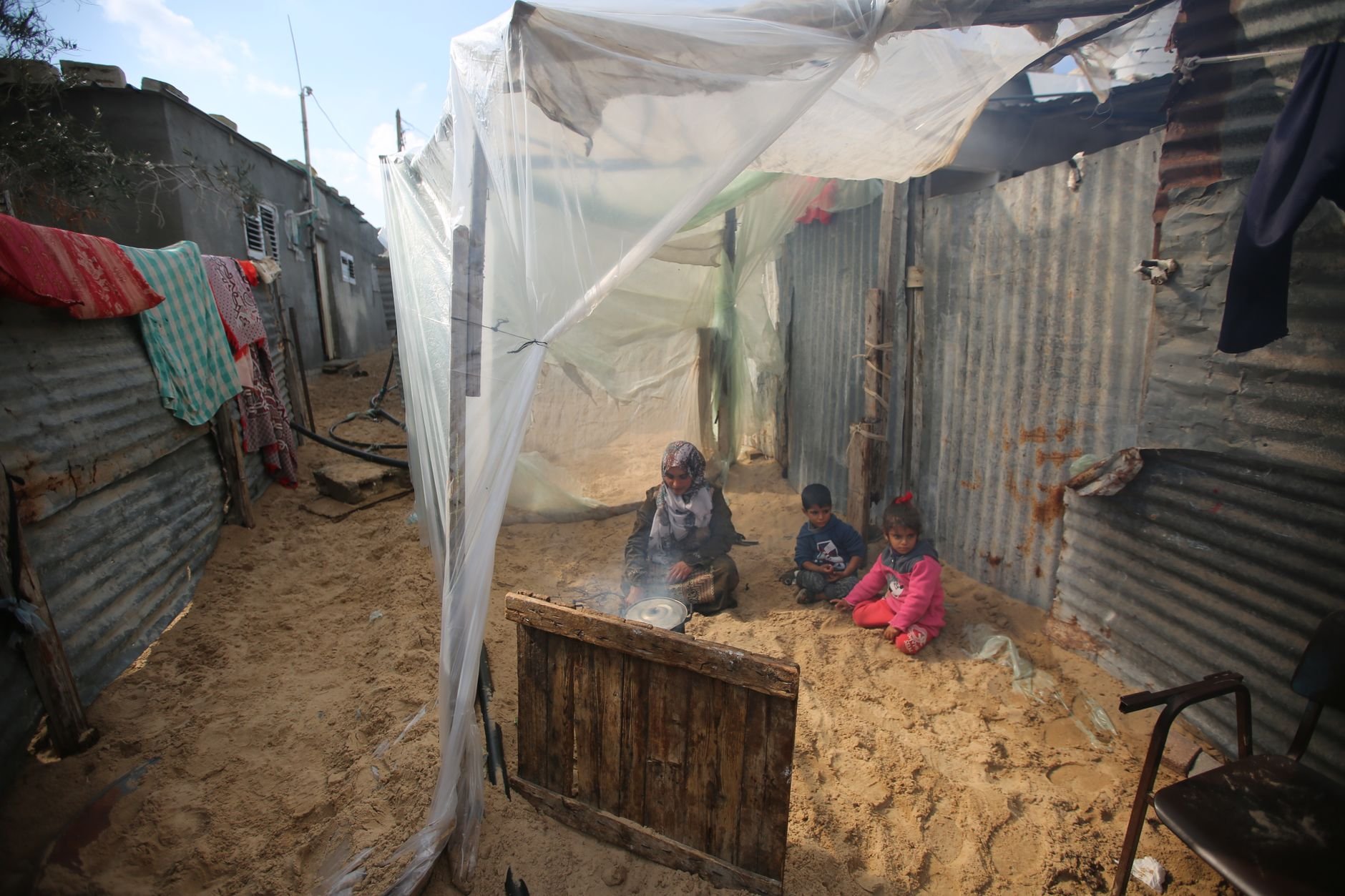
Plastic sheeting is the baseline option and the usual first layer. Emergency suppliers list plastic sheeting alongside tents, cots and blankets, so it often arrives in the same consignment as the shelter itself. Spread it over compacted earth and it puts a continuous barrier between the family and bare soil.
This option suits dry or merely damp ground and any response where speed matters more than comfort. Its limit is that it is a barrier, not a platform. Sheeting lies on the ground, so it does not lift anyone clear of standing water, and it offers little against cold that conducts up from frozen soil. Treat it as the base layer of a floor and add something above it when nights are cold.
Wooden pallets as a raised platform
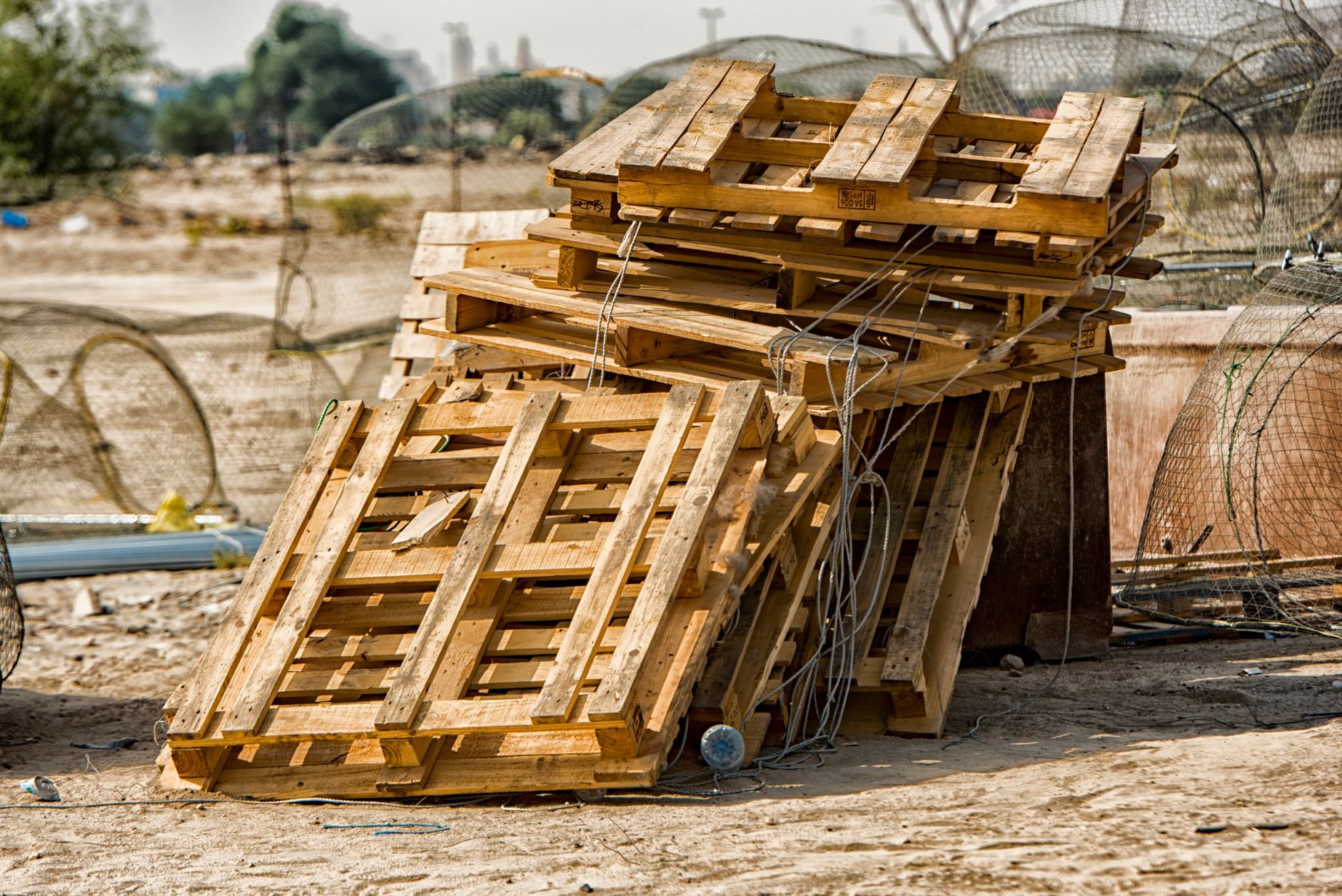
Wooden pallets are the strongest answer to wet ground. In the modular emergency floor system, pallets form a barrier from the harsh ground conditions while physically supporting each refuge. The standard shipping pallet is the base of that system, described as one of the most universal products on the planet.
The advantage is the gap. A raised surface keeps sleepers and belongings above runoff, which sheeting laid flat cannot do. Pallets also use a product that already moves through supply chains, so the base material can be easier to find than a specialist floor.
The limits are practical. Pallet decking has gaps, so it needs a covering such as sheeting or mats on top to give a continuous surface. It also takes assembly effort and level ground. Choose pallets where flooding or standing water is the main hazard and enough pallets are on hand. Skip them where ground is steep or uneven, or where nothing is available to cover the gaps.
Woven mats as a sleeping layer
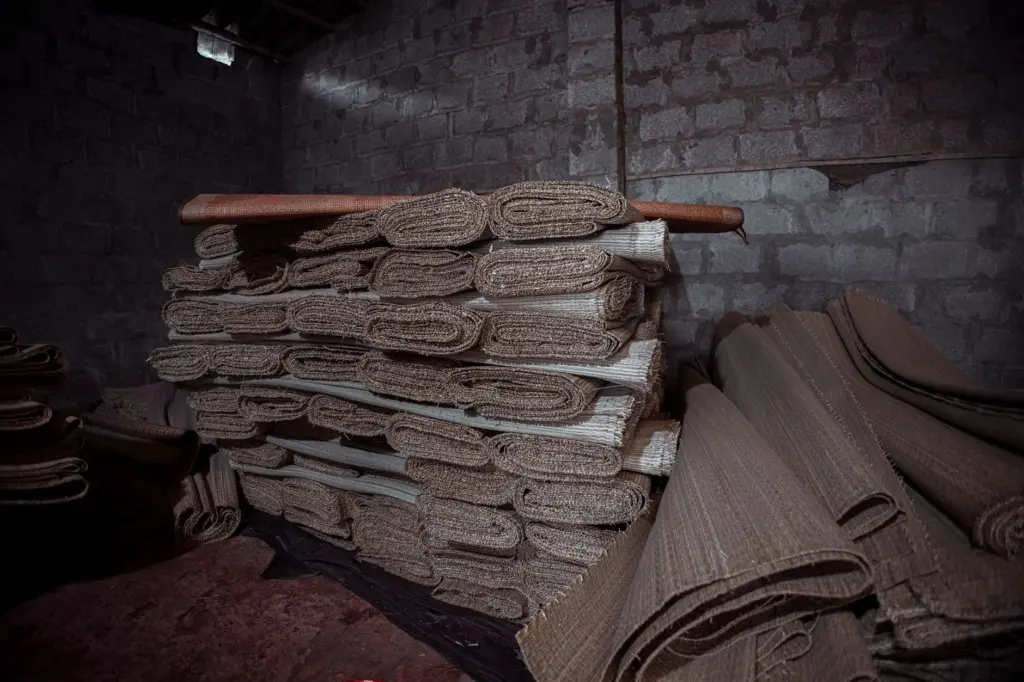
Woven sleeping mats are the usual low-cost comfort layer. They are normally held in bulk as rolled stock in relief warehouses, and they are light to move and quick to lay. A mat gives a family a defined, cleaner sleeping surface and some separation from the material beneath it.
Their role is to sit on top of something, not to replace it. A mat laid directly on wet soil will take up moisture, so it belongs over sheeting or over a pallet platform. On frozen ground a single mat does little to stop heat loss, and thicker or layered coverings are the next step; the guide on how to insulate a tent floor for winter picks up that problem.
Mats suit dry shelters where the priority is a usable living surface at minimal outlay. They suit families who already have a moisture barrier underneath. They are the wrong choice as the only floor on wet or freezing ground.
Interlocking tiles for a modular floor
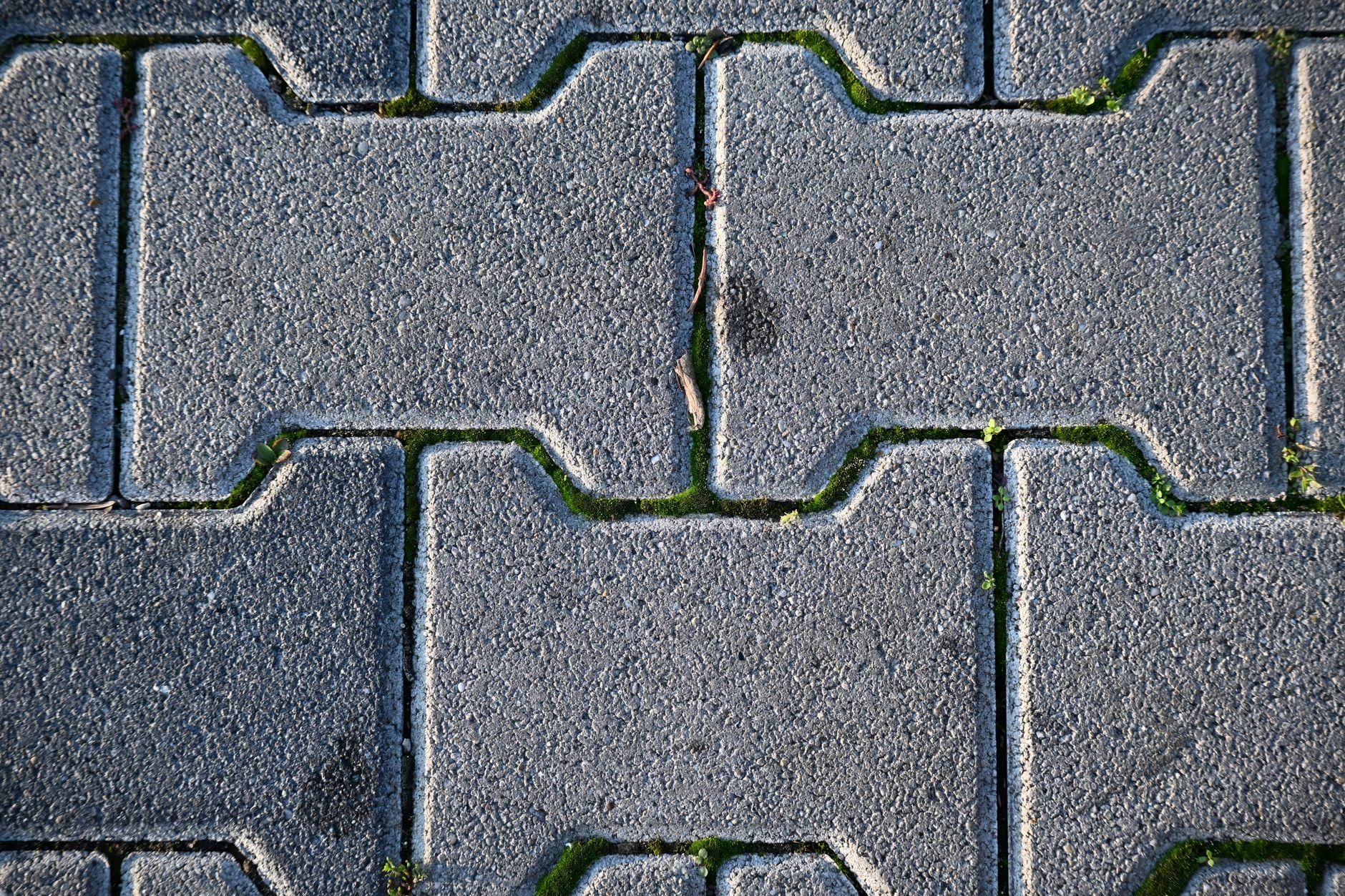
Interlocking tiles are the modular option: sections click together to form a continuous surface that can be extended to fit a larger tent or taken apart and reused elsewhere. The attraction is a defined, even floor without improvising from several materials.
The trade-off is that tiles are a manufactured product. Cost, thickness, drainage and insulation vary by design, so check the manufacturer’s specification before committing. Tiles suit planned, longer-stay shelters or camps where a supply line can deliver them. They are a weaker fit for the first hours of a response, when sheeting and whatever is to hand will do.
Side-by-side comparison
The table below turns the options into a quick decision aid. Ratings are relative planning judgements, not measured values, and product specifications will shift them.
| Option | Cost and effort | Moisture protection | Insulation from cold ground | Planning use |
|---|---|---|---|---|
| Plastic sheeting | Lowest outlay; often supplied with the tent | Barrier over soil; does not lift sleepers above standing water | Little on its own | Base layer for any shelter; first choice for speed |
| Wooden pallets | Low material cost where pallets are on hand; needs assembly | Strongest: raises occupants off the ground | Separates sleepers from frozen ground; gaps need covering | Wet or flood-prone ground |
| Woven mats | Low; quick to lay | Weak: absorbs damp if laid on wet soil | Some cushioning when laid over a barrier | Comfort layer over sheeting or pallets |
| Interlocking tiles | Higher; depends on product and supply | Varies by design | Varies by design | Longer-stay shelters with a reliable supply line |
The pallet and ground-risk points draw on reporting on the modular emergency floor system, and the note on sheeting supply on an emergency supplier’s shelter range.
Choosing for wet ground or cold ground
Wet ground and cold ground call for different floors. Wet ground is a lift problem: the family must sit above the water, so a pallet platform comes first. Cold ground is a separation problem: the family must be insulated from frozen soil, which the source links to hypothermia through ground freeze. Raising sleepers off the ground helps there too, and a layered covering of sheeting and mats goes on top.
Where ground is both wet and cold, combine them rather than pick one. Build the pallet platform, cover the gaps with sheeting and finish with mats. Where ground is dry and mild, sheeting and mats alone are a reasonable starting floor.
Tent size also shapes the decision. An example two-person dome tent from an emergency supplier measures 78 x 66 x 44 in high, weighs 4 lb and sleeps 2. A floor for a shelter that small is a short job, while a larger family tent needs proportionally more material and effort. Count what you can supply before choosing a floor that needs a lot of parts.
Decision checklist
- Check the ground. Look for standing water, runoff paths and frost. Standing water points to pallets; frost points to layers.
- Lay a barrier first. Compact the earth and spread sheeting if the floor will sit directly on soil.
- Raise the floor if the ground is wet. Use pallets as the base and cover the gaps.
- Add a soft layer. Put mats on top for a usable sleeping surface and some separation from cold.
- Consider tiles for longer stays. Move to a modular tile floor once supply allows and the shelter is likely to stay in use.
- Revisit after the first bad weather. Rain or a cold night shows quickly whether the floor works, so adjust then.
Frequently asked questions
What is the cheapest flooring for a disaster shelter?
Plastic sheeting is the lowest-outlay starting point, because emergency suppliers stock it with tents and it needs no assembly. Woven mats are the next inexpensive layer. Both are weak against standing water on their own.
Can wooden pallets alone make a shelter floor?
Pallets raise occupants off the ground and act as a barrier from harsh ground conditions, but their gaps need covering. Add sheeting or mats on top to make a continuous surface.
Which types of floors work for relief tents in freezing weather?
A raised pallet platform separates sleepers from frozen ground, and a covering of sheeting and mats adds a barrier and cushioning. Tiles vary by product, so check their specification for insulation.
Do interlocking tiles replace sheeting?
Not necessarily. Tile design varies in drainage and gap size, so follow the manufacturer’s guidance on whether a barrier layer is still needed beneath them.